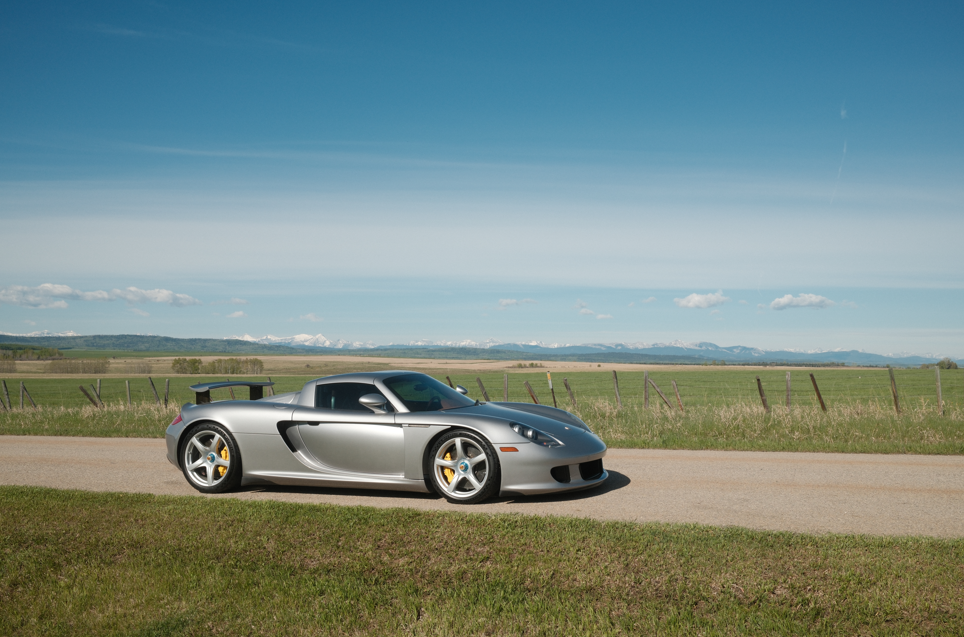
I honestly miss the era when supercars weren’t trying to save the planet. There was a window in the early 2000s where "efficiency" wasn't even in the vocabulary. It was just peak chaos. Engines were too big, gearboxes were manual, and there were zero digital babysitters to catch you if you messed up. If you put a wheel wrong back then, that was on you.
Then the world shifted. We got smaller engines, more turbos, and that eerie hybrid silence. Sure, modern cars are objectively faster and more polished, but are they better? I’m not so sure.
That’s why I think the Carrera GT is the most important car Porsche ever made. It arrived right at the edge of the cliff, before everything became filtered and optimized. It’s a pure, mechanical obsession on four wheels. And you feel that the second you turn the key.
The V10 That Refused to Die
Before we even talk about the drive, you have to appreciate the engine's backstory—it’s basically a middle finger to corporate shelving.
This 5.7-liter V10 was originally meant for a Le Mans prototype program in the late 90s. When Porsche scrapped the racing project, any other company would have crated the engines and moved on. But Porsche decided to build a road car around it instead.
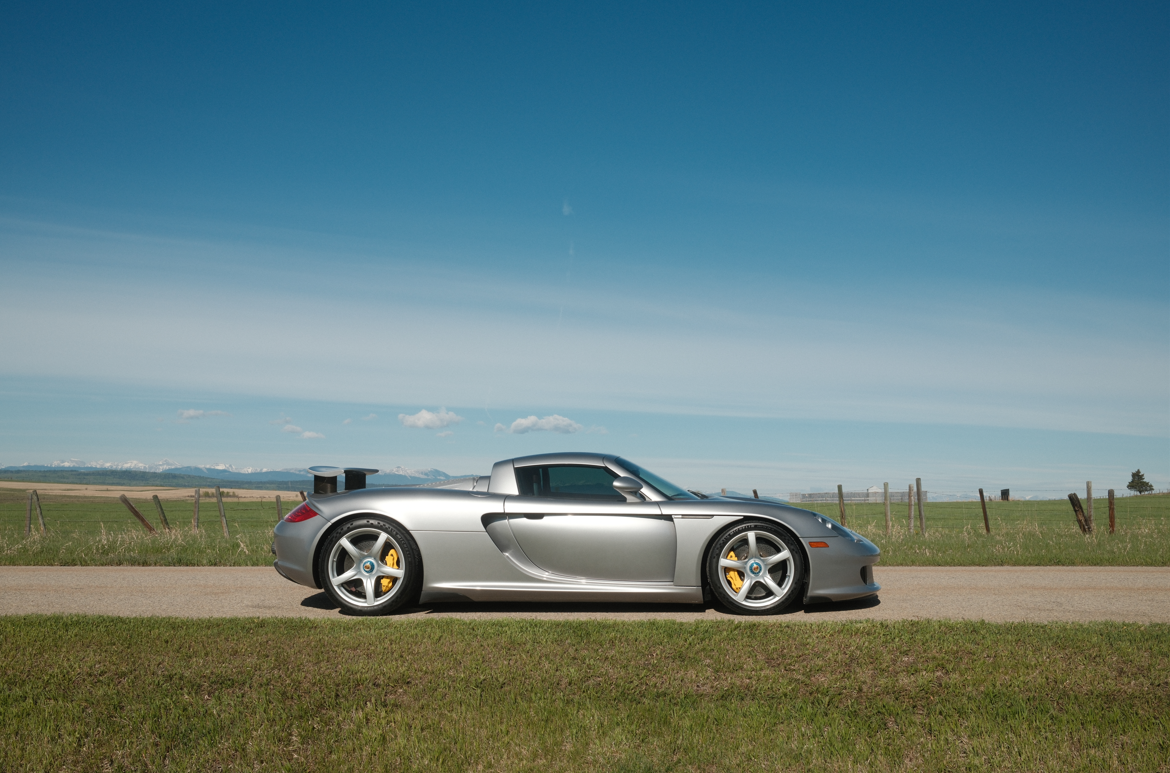
I love that. No turbos, no hybrid "torque fill," no fake engine noise pumped through the speakers. Just a 68-degree, naturally aspirated V10 that revs to 8,400 rpm. It sounds like it’s still angry about missing its chance at Le Mans.
What It’s Actually Like to Drive
There are fast cars, and then there are cars that genuinely make your palms sweat. The Carrera GT is the latter.
At low revs, it’s got this raw, metallic clatter. But once you pass 6,000 rpm? It transforms into this high-pitched, razor-sharp scream. It’s not a deep thud or a muffled whoosh—it’s a proper, old-school, spine-tingling howl. If you grew up watching V10-era Formula 1, the sound will give you instant goosebumps. I don't think you "listen" to this car; you survive it.
The Specs (That Actually Matter):
- The Engine: 5.7L V10 (605 hp / 435 lb-ft)
- The Box: 6-speed manual (with that legendary, moody carbon clutch)
- The Speed: 0-60 in 3.5s / Top speed 205 mph
- The Reality: It will humble you.
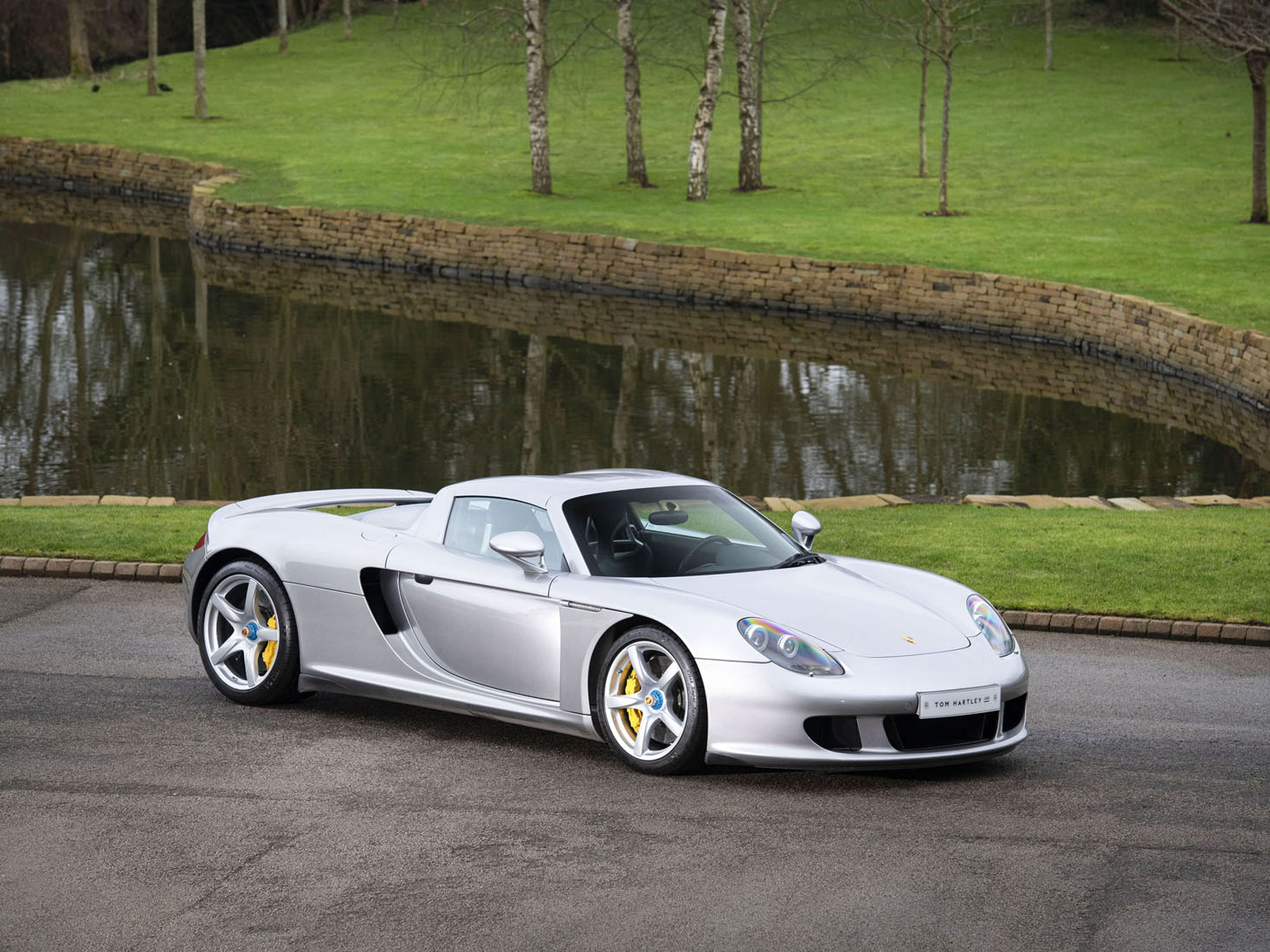
The headline here isn't the 205 mph top speed. It’s the three-pedal setup. That carbon clutch is notoriously tricky—it demands your full attention. It doesn't flatter you or make you look like a hero. It makes you earn every single clean shift. Modern hypercars do the work for you; the Carrera GT expects you to show up and drive.
If you haven't watched this before, Doug DeMuro himself explains why it's his favorite car.
Why $2 Million Actually Feels Like a Steal
I know, saying $2 million is "cheap" makes me sound like I’ve lost my mind. But look at the context.
Right now, most Carrera GTs are trading in that low seven-figure range. For a race-bred V10, a manual gearbox, and a carbon tub from Porsche’s absolute golden era? That feels... well, it feels like the market hasn't caught up to the reality of what this car is.
Compare it to its Italian rival, the Ferrari Enzo. I saw one—a yellow example—sell at Mecum recently for over $17 million. Seventeen. Million.
Don't get me wrong, the Enzo is a poster child. It looks like it just escaped a wind tunnel in Maranello and it’s completely unapologetic about it. It’s an icon. But if we’re talking about the actual experience of being behind the wheel? I’d take the Porsche every single day.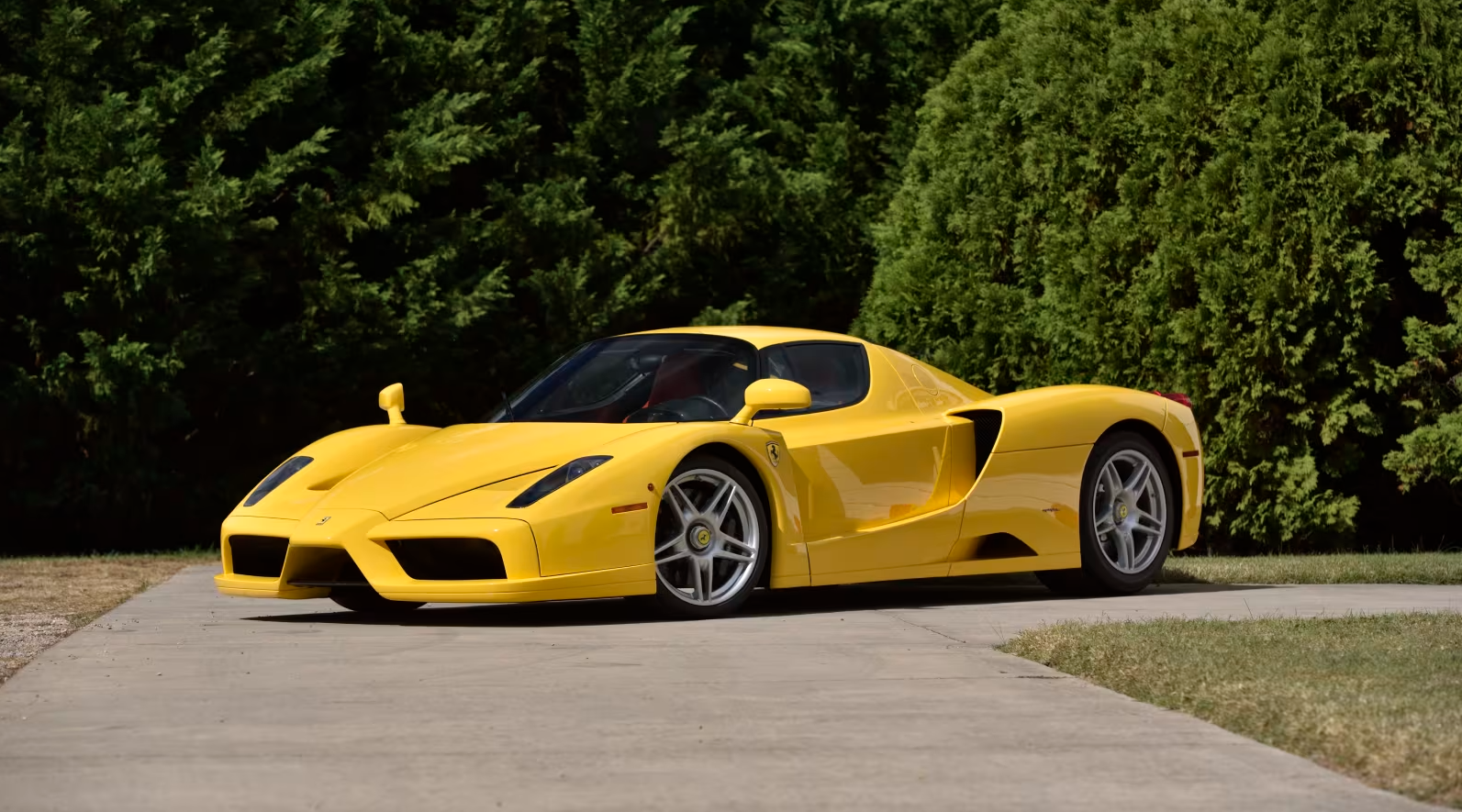
The Enzo has that early F1-style automated manual—which was cool in 2004, but feels a bit jerky and "old tech" now. The Carrera GT, though? It’s got three pedals. It’s got less electronic junk getting in the way. It’s just a rawer, more visceral connection between your right foot and the pavement. There’s an 8-figure gap between those two cars right now, and I just don't think that makes sense.
The Market is Quietly Screaming
If you’ve been watching the listings lately, you’ll notice something: these cars don’t sit around. They aren't like some modern McLarens that linger on the market for six months. A clean Carrera GT usually gets snatched up in a few weeks, sometimes days.
That tells me the "smart money" is already moving.
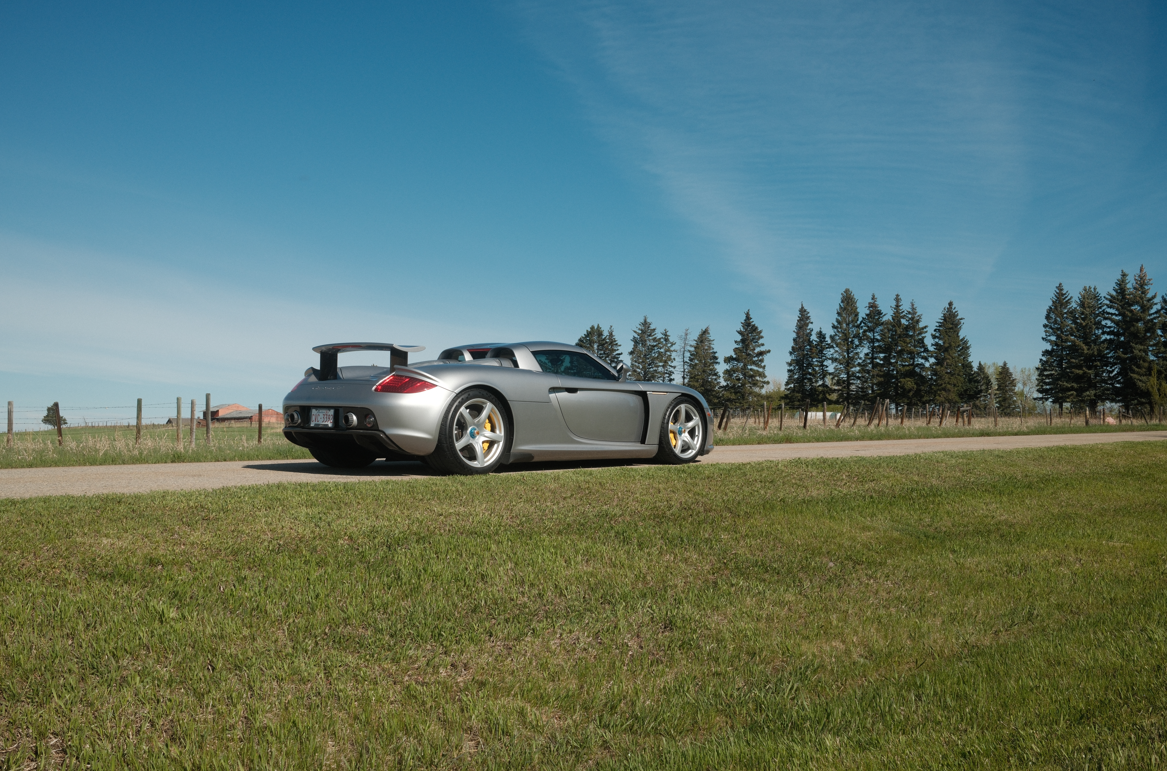
They only built 1,270 of these. A huge chunk of those are tucked away in long-term collections, probably never to see the light of day again. The pool of "buyable" cars is tiny. Meanwhile, the kids who had this car on their bedroom wall in 2005 are finally making real money. We all know how that story ends.
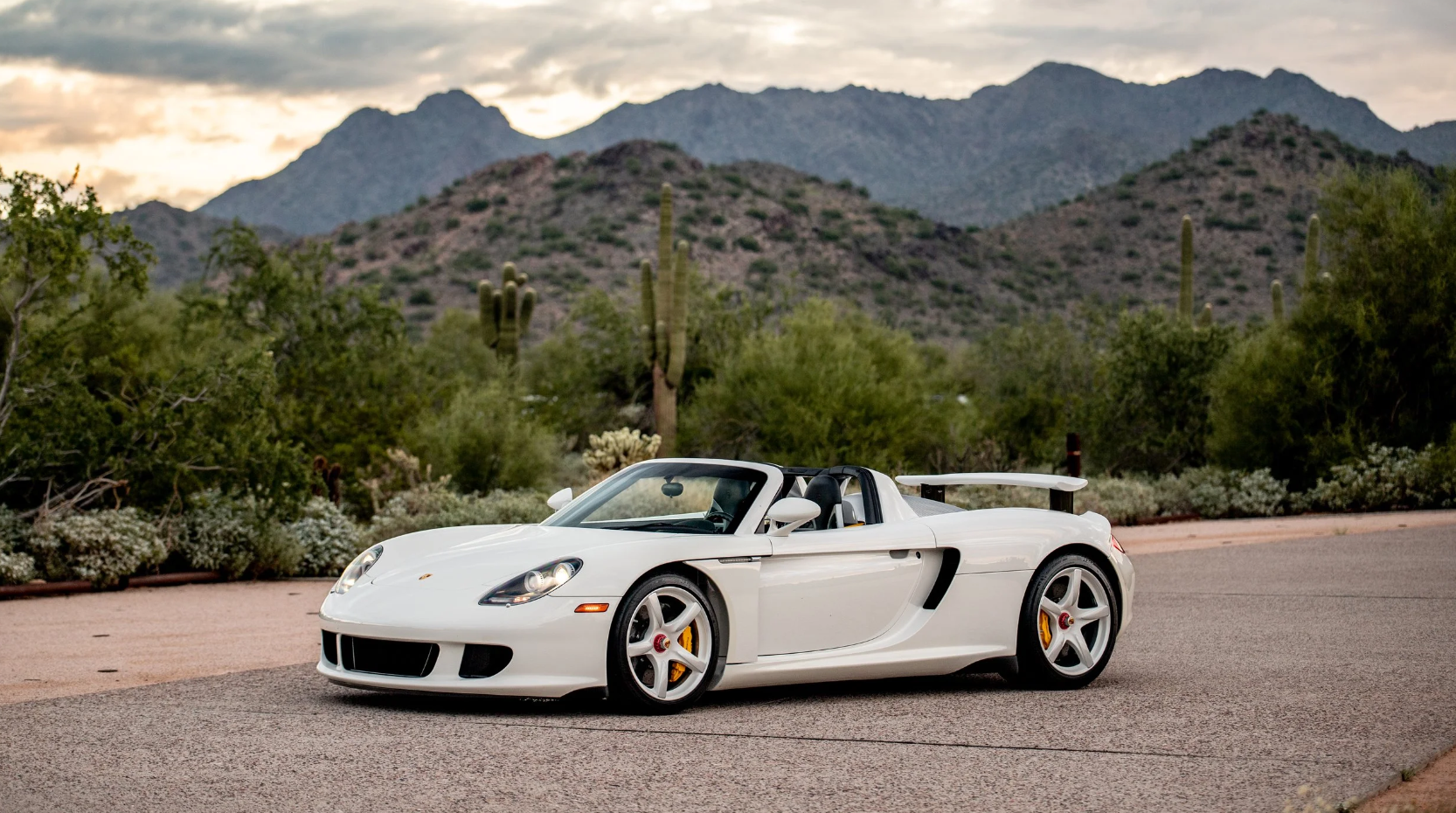
And don't even get me started on the PTS (Paint to Sample) cars. If you find one in a weird factory color with low miles, it’s not just a car anymore—it’s an "event." Collectors go absolutely nuts for a unique spec, and they’re paying massive premiums for them.
Supply is capped at 1,270 units. Many are locked away in long term collections. The pool of available cars at any given time is small. Meanwhile, the generation that idolized this car is now at peak earning age.
That combination usually ends one way.
PTS Cars and Premiums
Paint to Sample examples are already commanding strong premiums.
When you combine low production numbers with unusual factory colors, you create instant desirability. Collectors love specification stories. They love uniqueness.
The Last of Its Kind
At the end of the day, the Carrera GT isn't just about the V10. It’s about the timing.
It arrived right at the sunset of "analog" greatness. No hybrid systems "smoothing out" the power delivery. No turbos muffling that glorious soundtrack. No software babysitting your mistakes. It’s just the engine, the clutch, the steering, and you.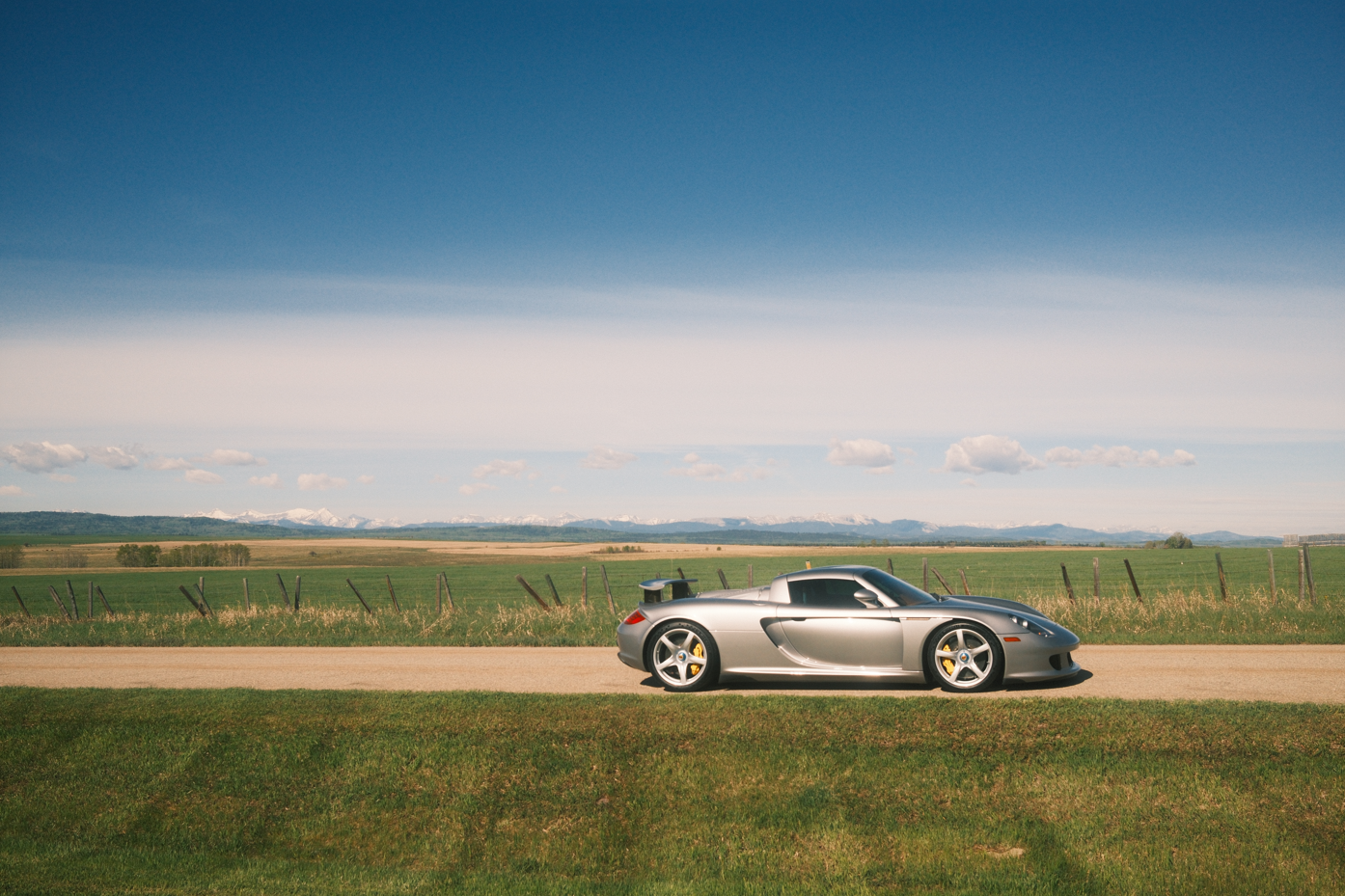
In a world where everything is becoming faster, heavier, and—let’s be honest—a bit more boring, that kind of purity is becoming priceless. The Carrera GT doesn't just represent speed to me. It represents a feeling. And nostalgia for a screaming V10 is a hell of a drug.